Betterment Hack 2026: How 1.4 Million Investors Became Targets of Crypto Scammers
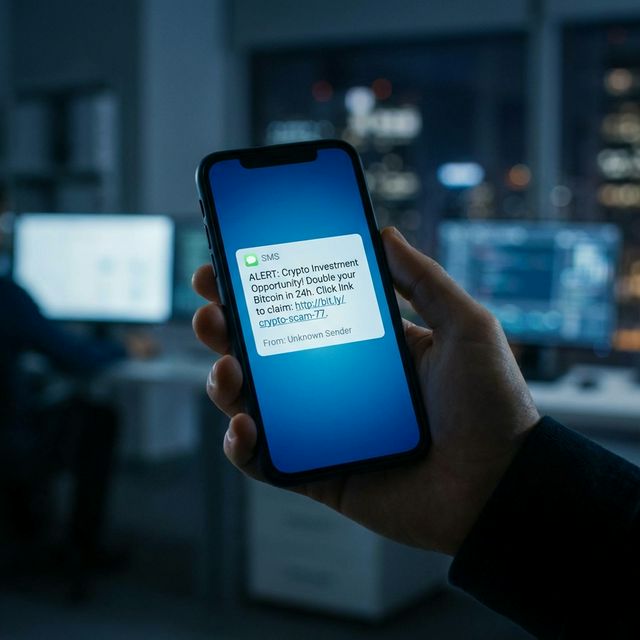
Table of Contents
It’s every investor’s nightmare: Your phone vibrates, a message from your investment platform pops up. “Urgent Update: Confirm your wallet address now.” But this message didn’t come from Betterment. It was the beginning of one of the most sophisticated social engineering attacks of 2026.
Quick Facts: The incident began on January 9, 2026, with a social engineering attack giving attackers access to third-party marketing tools. On January 13, a DDoS attack disrupted services. CrowdStrike confirmed: No account login data compromised, but customer data (Names, Emails, partly Addresses/DOBs) was posted online by a hacker group.
What Happened? (The Timeline)
- Jan 09: Unauthorized access to marketing systems via social engineering. Fake crypto messages sent.
- Jan 13: DDoS Attack: Betterment web & app outage for several hours. A diversion tactic?
- Feb 03: Forensic Update: A hacker group claiming responsibility has posted accessed data online.
First things first: Betterment’s core systems were NOT hacked. Passwords, portfolio holdings, and Social Security numbers remained safe. The attack was conducted via external interfaces.
The Attack Vector: Social Engineering
The hackers didn’t use zero-day exploits in the code, but human vulnerability. Through identity impersonation, they deceived employees or systems of third-party providers.
- Deception — The attackers impersonated a trusted entity to gain access to internal tools.
- The Bait — With the stolen data (emails, phone numbers), they launched a massive wave of phishing via email and SMS.
What Data Was Leaked?
Even though no passwords were stolen, the dataset is sensitive. Affected are:
- 1.4 Million Email Addresses: Ideal for targeted phishing.
- Names, Dates of Birth & Geo-Data: Allows personalization (“Hello Thomas from Munich…”).
- For some users: Phone Numbers & Addresses: This poses the biggest risk for follow-up attacks.
The Real Danger: Crypto Scams & SIM Swapping
Why are phone numbers so dangerous? Two words: SIM Swapping.
What is SIM Swapping? Attackers use your leaked phone number and personal data (address, date of birth) to convince your mobile carrier to transfer your number to a new SIM card (controlled by the attacker). This gives them your SMS 2FA codes — for PayPal or bank accounts, for example.
Pig Butchering
The crypto messages followed the “Pig Butchering” pattern: Victims are “fattened up” (trust is built) over a long time before being “slaughtered” (convinced to invest huge sums in fake investment platforms). Since victims know the message seemingly comes from Betterment, the initial trust is huge.
Your Emergency Checklist
If you are a Betterment customer (or just want to be safe):
1. Suspicion is Mandatory — Do NOT click on links in SMS or emails promising crypto gains. Betterment will never ask you to send crypto to a wallet.
2. Set up SIM Lock — Call your mobile carrier and set up a customer PIN that must be requested for any SIM card changes.
3. Change Passwords (Optional but good) — Even if passwords weren’t leaked: It never hurts to rotate them and ensure they are unique.
Was your email leaked? Check now with our tool to see if your data has appeared in this or other leaks.
Share
About the Author
amitoast Team
Editorial Team
The amitoast team helps you improve your online security. We research, test, and explain – so you stay protected.